Boutique hotel finance for operators and investors
We arrange commercial finance for operators, buyers, investors and developers opening, acquiring, refinancing or redeveloping boutique and lifestyle hotels. This is business lending against a trading hotel, not a personal mortgage.
Funding boutique hotel
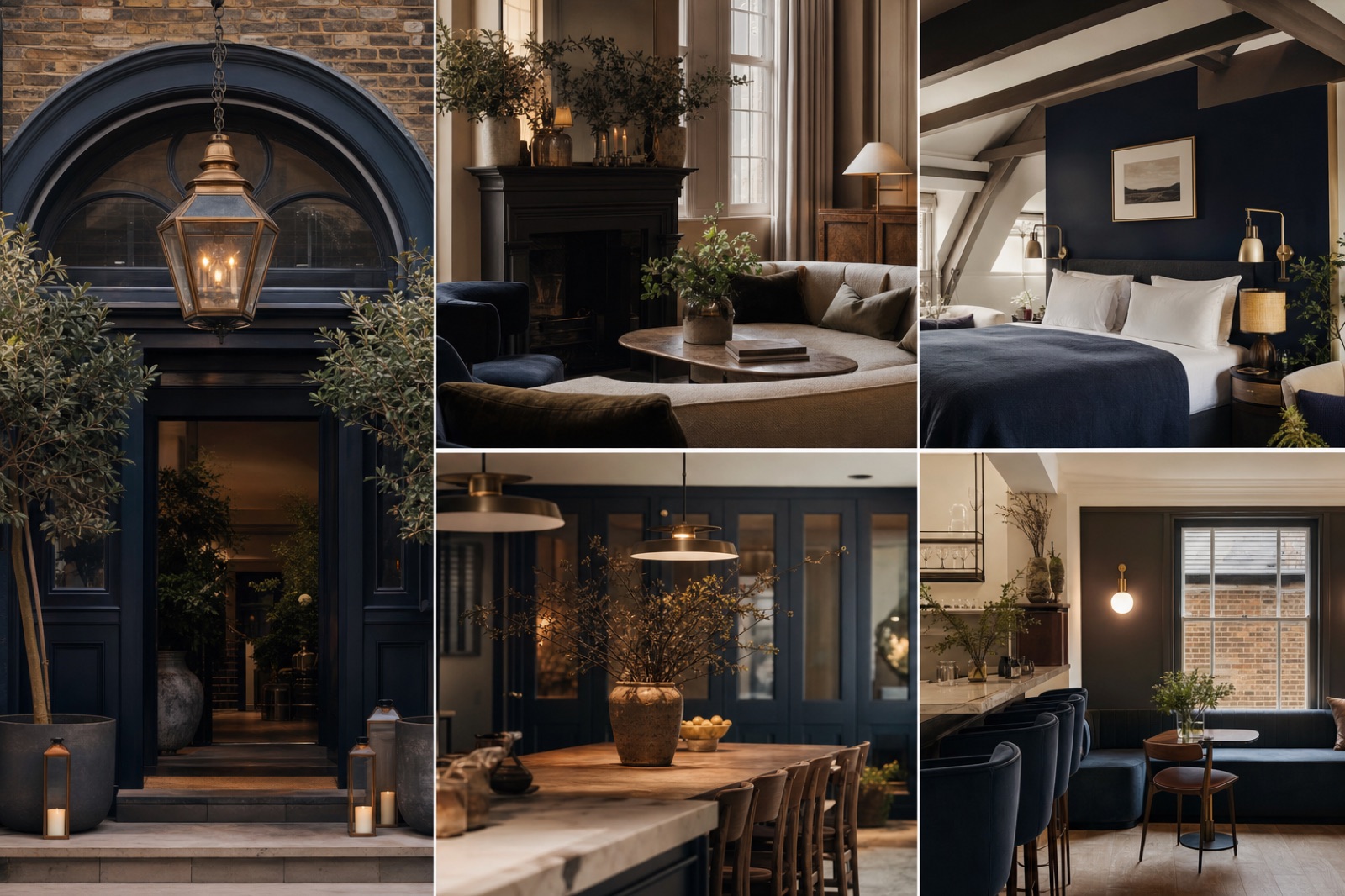
Boutique hotels are design-led, intimate and distinctive, run independently or under a soft brand, and trade on a strong sense of place rather than scale. Room counts are smaller, average daily rate is often premium, and the proposition relies on design, food and beverage and a clear identity. For a lender, the appeal is the rate premium; the watchpoint is that the income concentrates on fewer rooms and depends on the operator delivering the experience.
When we say boutique hotel finance we mean the acquisition loan, bridging line, refurbishment facility, development finance or refinance used to fund the hotel as a trading business across its life cycle. Whether you are opening a new boutique hotel, redeveloping an existing one or refinancing onto better terms, the credit case rests on going-concern EBITDARM, occupancy, ADR and the strength of the operator behind the concept.
Boutique projects often run a value-add arc: buy a tired or repurposable building, fund the design-led conversion, then refinance onto a term loan once the hotel stabilises. That arc usually needs short-dated money first, frequently bridging, then development or refurbishment finance, then a stabilised term exit, and the lenders for each leg are different.
We translate the design proposition and the trade into terms lenders can underwrite, pre-agree the exit where short-dated funding is involved, and run the whole market as an arranger to find the keenest combination of leverage and price.
What we fund
- Independent design-led boutique hotels
- Soft-branded lifestyle hotels
- Conversions of period or characterful buildings to boutique rooms
- Boutique hotels with destination food and beverage
- Redevelopment and repositioning of tired hotel stock
- Refinance of stabilised boutique hotels onto better terms
Indicative terms
- Acquisition or term LTVUp to around 65 to 70% of value
- Going-concern basisSized on maintainable EBITDARM
- Bridging rateAround 0.75 to 1.30% per month
- Development or conversionAround 60 to 65% of cost
- Term15 to 25 years, from around 7 to 10% per annum
- Key testsOccupancy, ADR, operator covenant, design proposition
- EquityOperator equity and mezzanine where the stack needs it
Indicative only. Terms vary by lender, operator and home and are not an offer of finance.
How we fund opening, redeveloping and refinancing a boutique hotel
We fund boutique hotels across three moments. Opening or acquiring a boutique hotel runs on going-concern EBITDARM, with a commercial mortgage or term loan to around 65 to 70% of value over 15 to 25 years at an indicative 7 to 10% per annum, supported by operator equity and, where the stack needs it, mezzanine. Redeveloping a building into a boutique hotel usually starts with bridging at an indicative 0.75 to 1.30% per month to secure and ready the asset, then development or refurbishment finance to around 60 to 65% of cost at an indicative 9 to 12% per annum for the design-led works, with a pre-agreed term exit. Refinancing a boutique hotel re-prices debt or releases equity once the hotel stabilises and the trade proves the concept. Lenders price the rate premium against the concentration risk of fewer rooms, so we present the design proposition, the operator and the numbers clearly. Every figure is indicative and never an offer.
Lender appetite for boutique hotels
Boutique hotels draw appetite from lenders comfortable with operator-led, design-driven trade. Specialist hospitality lenders and challenger banks fund acquisitions and refinance on going-concern EBITDARM where the operator has a track record, bridging lenders provide the short-dated money to secure and ready a building, and development funders back the design-led conversion through to a stabilised exit. Because boutique income concentrates on fewer rooms, lenders weigh the strength of the operator and the durability of the concept more heavily than on a budget hotel. As an arranger and introducer with no exclusive tie, we match each leg of a boutique project, whether opening, redeveloping or refinancing, to the lender most comfortable with that part of the risk, and we line up the term exit from the outset so a value-add scheme does not stall at refinance.
The boutique hotel market and exit
Boutique hotels trade on rate, which the wider market backs. Knight Frank and HotStats put London ADR at around £266 in Q3 2025 on 87.5% occupancy, with London RevPAR at around £233, while regional ADR sat at around £118 on 82.8% occupancy, so a design-led hotel that earns a rate premium has clear room to outperform its catchment. UK hotel investment reached £3.01bn year to date in 2025 per Savills, after a record £6.6bn in 2024 per Christie & Co, with London price per room at around £315,000 and regional at around £129,000 per Knight Frank, and London prime yields at around 5 to 6% per Cushman and Wakefield in H1 2025. A well-run, distinctive boutique hotel with proven trade is a liquid asset with a clear sale or refinance exit, which is what gives a lender comfort on the value-add arc.
Finance that suits this setting
- Hotel bridging financeSecures and readies a building for a boutique conversion ahead of development finance.
- Hotel refurbishment financeFunds the design-led works that create the boutique proposition.
- Hotel development financeFunds substantial conversion and redevelopment of a building into boutique rooms.
- Hotel acquisition financeThe core route for buying a trading boutique hotel on its going-concern trade.
- Hotel refinanceRe-prices debt or releases equity once a boutique hotel stabilises.
Fund a boutique hotel home
A view on fundability within one working day.
What drives a boutique hotel's numbers
A boutique hotel trades on rate over scale, so its economics turn on the average daily rate it sustains against a smaller room count, and on the operator delivering the experience that earns it. Knight Frank and HotStats put London ADR at around £266 in Q3 2025 on 87.5% occupancy, with London RevPAR at around £233, while regional ADR was around £118 on 82.8% occupancy, so a design-led hotel that commands a rate premium has clear room to outperform its catchment. The watchpoint is concentration: income rests on fewer rooms, and food and beverage and the design proposition carry more weight, so a soft season or a faltering concept bites harder than at a high-volume budget hotel. We model the maintainable EBITDARM through the rate premium and the operator's track record, because that is what a lender lends against.
Indicative boutique hotel leverage and rates
Indicatively we arrange boutique acquisition or term lending to around 65 to 70% of value, over 15 to 25 years, at around 7 to 10% per annum, sized on the going-concern EBITDARM, with operator equity and mezzanine where the stack needs it. A proven operator, a durable concept and a sustained rate premium earn the keener end. For a value-add arc we use bridging at an indicative 0.75 to 1.30% per month to secure and ready a building, then development or refurbishment finance to around 60 to 65% of cost at an indicative 9 to 12% per annum for the design-led works, with a pre-agreed term exit. These are market-typical, indicative figures and never an offer; because lenders price the rate premium against the concentration of fewer rooms, the terms depend on the operator, the concept and the proven trade, and we run the market across each leg.
Frequently asked questions
Is a boutique hotel a good investment to finance?
A well-located, design-led boutique hotel can earn a strong rate premium, which is its main investment appeal, and the wider market is liquid with UK hotel investment of £3.01bn year to date in 2025 per Savills. The watchpoint is that income concentrates on fewer rooms and depends on the operator delivering the experience, so lenders weigh the operator and the concept closely. We present the trade and the proposition so funders can price it.
What does boutique mean in hotel finance?
In finance terms, boutique describes a small, design-led, often independent or soft-branded hotel that trades on a premium rate and a distinctive experience rather than scale. The implication for lending is a higher average daily rate set against fewer rooms, so the credit case leans on going-concern EBITDARM, the operator's track record and the durability of the concept.
Can I get finance to open a boutique hotel?
Yes. Opening a boutique hotel is usually funded with an acquisition loan to around 65 to 70% of value where you are buying a trading asset, or with bridging then development and refurbishment finance where you are converting a building, with a term loan exit once it stabilises. Operator equity and mezzanine fill the gap where senior debt stops short.
How do I finance redeveloping or refurbishing a boutique hotel?
We typically use bridging at an indicative 0.75 to 1.30% per month to secure the asset, then development or refurbishment finance to around 60 to 65% of cost for the design-led works, with a pre-agreed term exit once the hotel trades to plan. We line up both legs from the outset so the project does not stall at refinance.
Can I refinance a boutique hotel onto better terms?
Yes. Once a boutique hotel stabilises and the trade proves the concept, we refinance to re-price the debt or release equity for reinvestment, sized on the going-concern EBITDARM. The terms depend on the proven trade, the operator and the rate the hotel sustains, and we run the market to keep them as keen as the risk allows.
Funding a boutique hotel home?
Tell us about the home and the operator and we will come back with a view on fundability and likely terms.